If you still think food packaging is just about “holding things,” you’re already behind the curve.
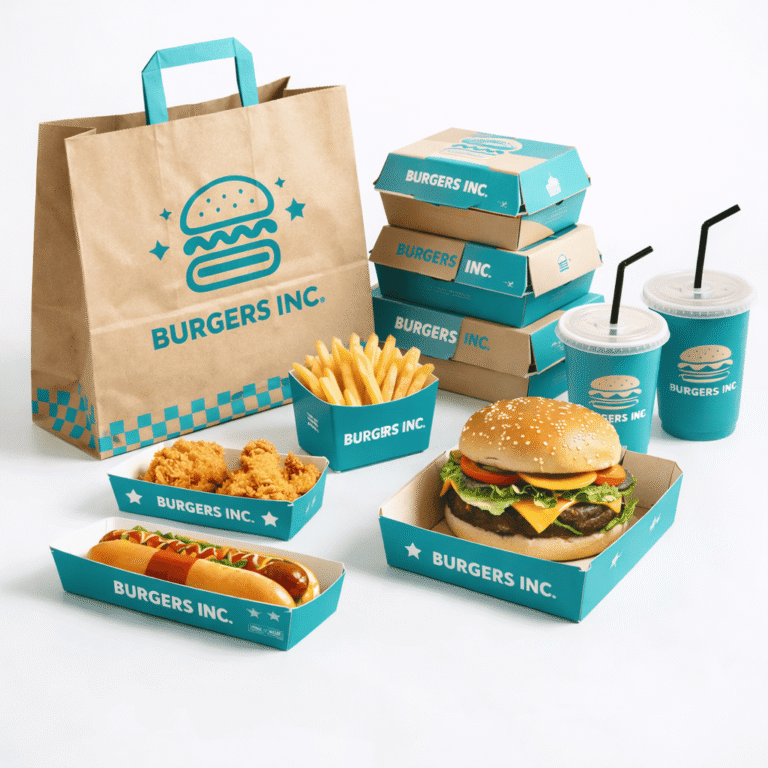
In 2026, the food packaging industry is undergoing a profound transformation—spanning materials, functionality, design, and user experience. Packaging is no longer just a passive container for products; it is rapidly evolving into an active touchpoint for brand-consumer communication, and in many cases, an integral part of the product’s perceived value itself.
Sustainability with Substance: Moving Beyond Greenwashing to Verifiable Impact
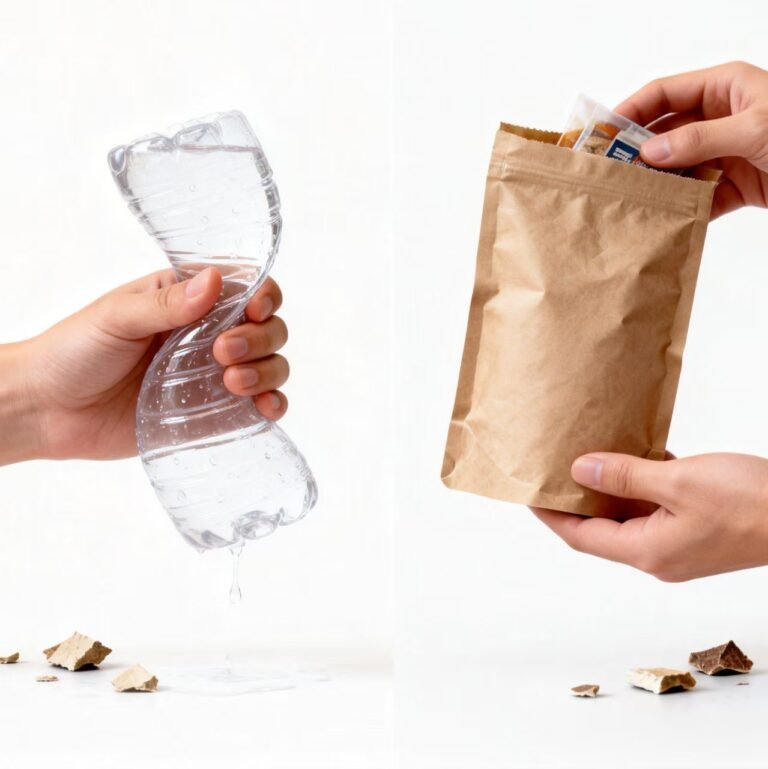
In recent years, sustainability has shifted from a marketing angle to a hard regulatory requirement. Stricter policies like the EU’s Packaging and Packaging Waste Regulation (PPWR) are making it clear that all environmental claims must be backed by real, verifiable data. Consumers are equally savvy—85% of global consumers are willing to pay a premium for sustainable packaging, but they are highly vigilant against greenwashing.
This means brands can no longer just slap a “recyclable” label on their products and call it a day. As seen with Carlsberg’s Green Fiber Bottle, offering quantifiable Life Cycle Assessments (LCA) and transparent carbon reduction reports is what truly builds trust. In China, industry leaders echo this sentiment—as Fan Lidon, Vice President of the China Packaging Federation, recently noted, environmental concepts must be grounded in reality. The key is achieving systematic, scalable solutions without passing excessive costs onto consumers.
Digital Empowerment: Packaging as the New Gateway for Brand Interaction
Have you ever scanned a QR code on a package? Today, over 60% of consumers engage with digital touchpoints on packaging. Technologies like AI, AR, QR codes, and blockchain are transforming packaging into a multifunctional platform for product traceability, brand storytelling, and interactive experiences.
Nestlé, for example, leverages smart packaging and blockchain technology to allow consumers to trace product origins effortlessly—building trust while enhancing the user experience. At the FBIF2026 forum, Amcor’s Greater China President She Xin offered an even more forward-looking insight: as AI agents begin to assist—or even replace—human shopping, packaging in the future may need to be designed not only for people, but also for machines. AI might prioritize machine-readable data and verifiable information over purely emotional visual appeal.
Health & On-the-Go Convenience: Big Opportunities in Small Packages
Driven by health-conscious lifestyles and the demand for lightweight consumption, miniaturized, portable, portion-controlled packaging continues to surge. According to Innova, new snack product launches with packaging under 50 grams increased by a striking 62% between 2024 and 2025.
This reflects growing consumer needs across scenarios like calorie control, commuting, and outdoor activities. Packaging is now a core factor in purchasing decisions—44% of global consumers say packaging plays a “very important” role in their choices. At the same time, newly released regulations such as China’s Measures for the Administration of Food Labeling and the General Standard for Prepackaged Food Labels impose stricter requirements for label clarity, mandating that production and expiration dates be displayed independently and legibly at a glance.
Sensory & Personalized Experiences: From Unboxing Surprise to Tailored Connections
The rise of e-commerce has made the unboxing experience more critical than ever. Consumers today expect not just undamaged deliveries, but a sense of ritual and sensory delight. Brands are incorporating textures, colors, and even scents to create memorable unboxing moments—which are then enthusiastically shared across social media, generating powerful word-of-mouth.
At the same time, personalized customization has become a powerful tool for boosting brand loyalty. With advances in digital printing, limited editions, regionally tailored designs, and even names printed on individual packages can dramatically enhance a product’s exclusivity and emotional resonance. A striking example is the award-winning Shaoxing rice wine packaging from the Pentawards—its temperature-sensitive bottle causes a Tang Dynasty court lady’s cheeks to blush when touched or warmed. Such culturally rich, interactive design resonates far more deeply than a conventional label ever could.
Conclusion
In 2026, food packaging is racing forward along a path that is green, intelligent, and human-centric. It must comply with increasingly stringent regulations and meet the expectations of increasingly rational consumers, while also embracing the new mission of delivering brand value and creating pleasurable experiences. For food companies, packaging is no longer a cost center—it is a strategic high ground for building deep, lasting connections with consumers. Those who navigate this transformation wisely will be the ones leading the market in the years to come.